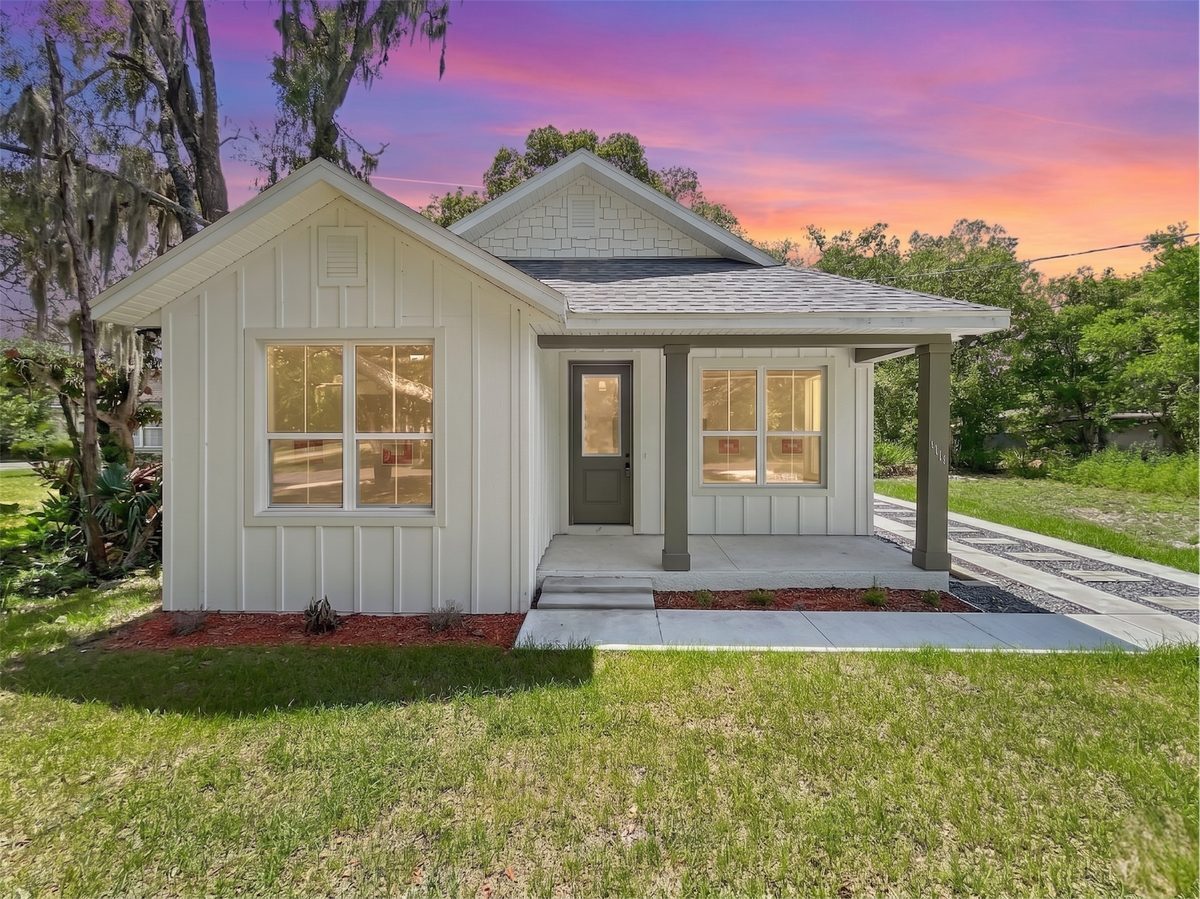

Here's a fact that will not show up in any relocation brochure: Florida just became the most termite-infested state in the country, and in 2026 a second, more aggressive invasive species is spreading through the exact neighborhoods buyers are moving to — Orlando, Winter Garden, Lake Nona, and the rest of Central Florida. If you grew up treating a termite inspection as a once-in-a-decade formality, this is the article that resets your expectations before you write an offer. The good news: it is a small, routine step once you understand what it covers, what it costs, and when your lender will actually require it.
Why Termites Are Florida's Own Category of Risk
In the Northeast, cold winters knock termite activity down to almost nothing for months at a time, so a termite inspection can feel like a box to check rather than a genuine concern. Florida does not get that seasonal break. Year-round warmth and humidity keep subterranean and drywood termites active twelve months a year, and the state's older wood-frame and even newer engineered-lumber homes both offer plenty for them to eat.
The result, confirmed by 2026 industry reporting, is that Florida now carries the highest termite pressure of any state in the country — and the risk is not limited to old homes near the coast. It runs through inland, fast-growing suburbs too, including the Central Florida communities where relocating buyers are concentrating their searches. Understanding the inspection that catches this risk before closing is now a standard part of buying here, the same way understanding hurricane insurance is.
What a Wood-Destroying Organism Inspection Actually Covers
A Wood-Destroying Organism inspection is Florida's official termite and pest report. A licensed inspector visually examines a home's accessible areas — the attic, crawl space, exterior siding and trim, garage, and interior — for evidence of the organisms that eat or degrade structural wood, plus the damage and evidence they leave behind.
Specifically, the inspection looks for:
- Subterranean termites — the most common termite threat in Florida, living in underground colonies and building mud tubes up foundations and walls
- Drywood termites — smaller colonies that live entirely inside dry wood, common in older homes and furniture
- Formosan termites — an aggressive invasive subterranean species, covered in detail below
- Wood-boring beetles — less common, but capable of significant hidden damage
- Wood-decaying fungi — moisture-driven wood rot, often found alongside termite activity
The inspector records every finding on Florida Department of Agriculture and Consumer Services Form 13645, the state's standardized report. This is not a service any general home inspector can offer — in Florida, only an inspector working for a pest control company licensed under Florida Statute Chapter 482 is authorized to perform it and sign the form.
Wondering whether a specific home needs a closer look before you write an offer? Kim builds a Wood-Destroying Organism inspection into every buyer's timeline.
Kim A. Pollaro | Coast to Coast Collective | Real Broker, LLC | FL License #SL3575590
The Formosan Termite: Why 2026 Is Different
If you bought a home in Florida a decade ago, the termite conversation looked different than it does today. University of Florida research published in 2026 confirmed that the Formosan subterranean termite — an invasive species first introduced from Asia — has spread far north of its original coastal footholds and is now established in major inland urban centers, including Tampa, Orlando, and Melbourne.
What makes this species different from the termites Florida has always had:
- A mature colony can contain millions of individual termites, far larger than a native subterranean colony
- Formosan termites forage more aggressively and can cause tens of thousands of dollars in damage before they are discovered
- They can survive longer without direct water contact than other species, which suits Central Florida's climate especially well
- Colonies live underground and inside walls with a cryptic lifestyle, so early detection depends on a professional inspection — homeowners rarely spot them on their own
None of this means a Central Florida home is a bad investment — it means the inspection matters more in 2026 than it did even five years ago, on new construction and resale homes alike.
When Is the Inspection Required — and When Should You Order One Anyway?
Whether a Wood-Destroying Organism inspection is mandatory depends on how you are financing the purchase:
- Department of Veterans Affairs loans: required on every purchase in Florida — no exceptions. If you are relocating on military orders, this inspection is already built into your closing timeline.
- Federal Housing Administration loans: typically required as part of the appraisal and underwriting process, especially in Florida's high-pressure termite zones.
- Conventional loans: not always mandatory, but many lenders and appraisers will call for one if there is visible evidence of damage, or if the property type or age warrants it.
- Cash purchases: nobody requires it, which is exactly why buyers skip it most often — and exactly why it is worth ordering anyway.
Buyer action item: order the inspection during your contractual due diligence or inspection period, not after your financing contingency has already expired. That timing gives you room to negotiate treatment, repairs, or a credit before you are locked into the deal.
What It Costs and When to Order It
A Wood-Destroying Organism inspection is one of the least expensive line items in the entire closing process. Reasonable 2026 ranges for Central Florida:
| Property Type | Typical Cost (2026) | Notes |
|---|---|---|
| Condominium or small home | $50–$125 | Lower end for slab construction, no crawl space |
| Single-family home | $75–$200 | Typical Central Florida price lands near $125 |
| Larger home, crawl space, or addition | $150–$300 | More accessible area to inspect, more time on site |
Order it early in your due diligence period, ideally alongside your general home inspection. Some inspection companies offer both on the same visit, which saves a trip and often a little money. If the report comes back clean, you have a documented record for your lender and your own peace of mind. If it does not, you still have time to negotiate before your contingency deadlines pass.
Reading Your Report: What Counts as a Red Flag
Not every finding on a Wood-Destroying Organism report is a dealbreaker, and it helps to know the difference before you panic over the paperwork.
- Visible evidence of an active infestation is the finding that matters most — it means live activity was observed and treatment is needed before or immediately after closing.
- Old damage with no active activity is common, especially in homes that were previously treated. Ask whether an existing termite bond or warranty is transferable to you as the new owner — many are, for a modest annual renewal fee.
- A structural referral means the inspector found damage significant enough to recommend a contractor evaluate the wood itself, separate from the pest treatment.
Practical takeaway: if your report shows damage, get a repair estimate before you go back to the negotiating table, not after. A number in hand — not a vague concern — is what turns a scary-looking report into a specific, solvable request for a credit or seller-paid treatment.
The Central Florida Buyer's Termite Checklist
Before you go under contract — not after — work through this list:
The Bottom Line: Don't Skip the Inspection Nobody Warns You About
Termites are not a reason to avoid buying in Central Florida — they are a reason to build one more inexpensive, routine step into your due diligence. Buyers who order the inspection early, understand what the report is actually telling them, and know when their loan program requires it walk into closing with no surprises waiting in the walls.
Kim A. Pollaro builds a Wood-Destroying Organism inspection into every buyer's timeline as a matter of course — whether it is required by the loan program or not — and helps negotiate treatment or repairs when a report comes back with findings.
Let's Talk Before You Make an Offer
A termite report should never be the first time you hear about this. Neither should your agent.
A termite report should never be the first time you hear about this. Neither should your agent.
Kim A. Pollaro | Coast to Coast Collective | Real Broker, LLC | FL License #SL3575590
Know before you go. Kim makes sure of it.
Related Reading
This article is for informational purposes only and does not constitute pest control, legal, or lending advice. Wood-Destroying Organism inspection requirements, costs, and findings vary by property, lender, and individual circumstances — consult a Florida Department of Agriculture and Consumer Services-licensed pest control company and your lender for guidance specific to your purchase. Broker compensation is not set by law and is fully negotiable. Information reflects general market conditions as of 2026.