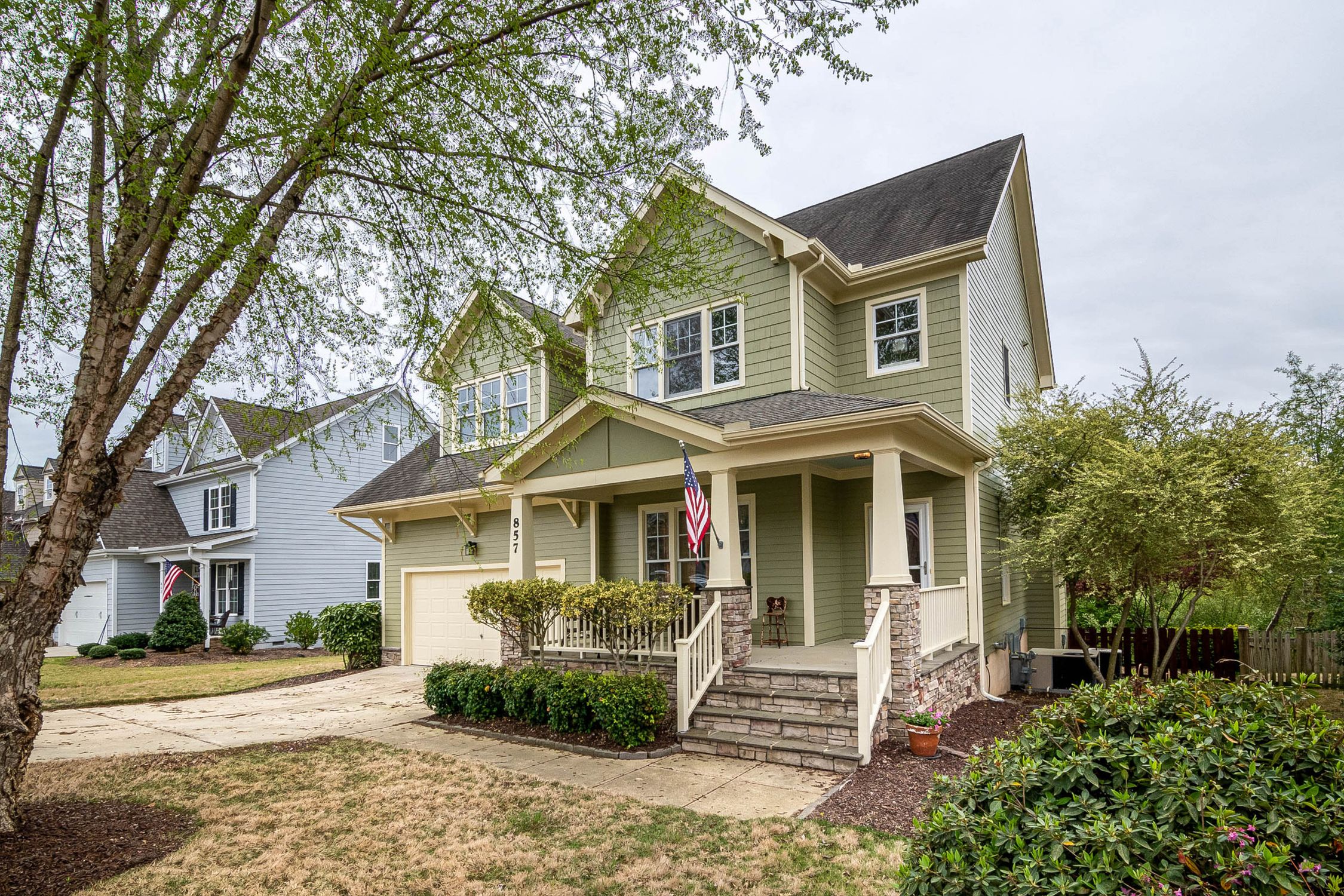
Here's what most relocation guides skip: your Basic Allowance for Housing just went up, and in a Central Florida market that finally has room to negotiate, that raise buys more house than it would have two years ago. Whether Permanent Change of Station orders brought you here, you're settling in after separating from service, or you're weighing Central Florida against a base assignment on the table, the math changed in 2026 — for the better. Here's exactly what changed, what it buys, and how to move on it before your report date arrives.
The 2026 Housing Allowance Increase, Explained
The Basic Allowance for Housing rose an average of 4.2 percent nationwide, effective January 1, 2026. That's smaller than 2025's 5.4 percent jump, but it's still real money: the Department of Defense will pay out $29.9 billion in Basic Allowance for Housing this year alone, according to Military.com's reporting on the 2026 rate tables.
Your own rate depends on your rank, whether you have dependents, and your specific duty station — there is no single number that applies to every relocating family. Before you start touring homes, pull your exact 2026 rate from the Department of Defense's official housing allowance calculator, and treat that number, not a rough guess, as your monthly housing budget ceiling.
What the Increase Actually Buys You Right Now
A bigger housing allowance means more in 2026 because of what's happening on the other side of the transaction: Central Florida's market has shifted in buyers' favor. Orlando-area inventory reached 2.14 months of supply in July 2026, homes sat a median of 63 days on market, and roughly 65 percent of active listings carried a price reduction, according to Houzeo's market data. Mortgage rates are cooperating too — Florida Realtors' 2026 outlook projects the 30-year rate averaging near 6.3 percent this year, down from 6.6 percent in 2025.
Put those two trends together — a higher allowance and a market with more room to negotiate — and the same monthly budget that felt tight during the bidding-war years now covers more house, a bigger seller-paid closing credit, or both. For illustration only: a service member qualifying with a hypothetical $2,400 monthly housing allowance and no other income could realistically support a comparable total monthly payment once taxes and insurance are included — often enough today to reach neighborhoods that a similar allowance could not touch in 2022's bidding-war market.
The way to turn your own allowance into a real number is simple: take your monthly Basic Allowance for Housing, add any other income you are qualifying with, and ask your lender to run that against current rates for a maximum comfortable payment. Then work backward from there with an agent who knows which Central Florida neighborhoods actually fit that number.
Ready to see what your Basic Allowance for Housing actually buys in Central Florida? Kim runs the numbers with military and veteran buyers before they even schedule a showing.
Kim A. Pollaro | Coast to Coast Collective | Real Broker, LLC | FL License #SL3575590
Winter Garden, Lake Nona, Windermere, and Dr. Phillips: A Side-by-Side Look
Relocating military and veteran families tend to land in one of six areas, each for a different reason:
- Winter Garden — a walkable historic downtown, a weekly farmers market, and the West Orange Trail running right through it. Popular with families who want small-town feel without giving up a short commute.
- Lake Nona — a master-planned community built around Medical City, including a Department of Veterans Affairs medical center, and one of the fastest-growing job markets in the region. A natural fit for veterans who want care access close to home.
- Windermere — larger lots, lakefront living, and some of Central Florida's top-rated schools, at a higher price point than the other five.
- Dr. Phillips — known locally for its Restaurant Row, close to major employers and the theme park corridor, with strong resale demand.
- Championsgate and Kissimmee — newer construction, golf-course and resort-style communities, and generally the most affordable entry point of the six, especially for a first Central Florida purchase.
None of these is a wrong answer. The right one depends on your commute, your family's routine, and how you want to spend your allowance — schools and lot size, or walkability and amenities, or the lowest possible monthly payment.
Stacking Your Benefits: Department of Veterans Affairs Loans and Florida's Hometown Heroes Program
A higher housing allowance is one piece of the picture. Two more are worth stacking on top of it. Department of Veterans Affairs loans hit a decade-high 7.7 percent share of mortgaged home purchases in March 2026, yet a companion survey found only 59 percent of service members, veterans, and spouses even know they have the benefit, according to data reported by IndexBox. If you have not used yours, zero-down financing is still on the table.
Florida's Hometown Heroes Program reopened for new reservations on July 13, 2026, offering up to $35,000 in down payment and closing cost help at zero percent interest. Active military members and veterans may be exempt from the standard first-time-buyer and eligible-occupation rules that apply to other applicants, though program rules can be updated between funding rounds, so confirm current eligibility with a participating lender. Past funding rounds have been claimed in three to five weeks, so this is not a program to set aside for later. For the full mechanics of each program, see the related guides linked below.
Timing Your Move: What to Do Before Your Report Date
Sixty to ninety days out is the sweet spot for starting a Central Florida home search. That is enough time to get a Department of Veterans Affairs loan preapproval in hand, confirm your Hometown Heroes eligibility if it applies, and either fly in for showings or walk properties remotely over video if you are still stationed elsewhere.
The good news about 2026's more balanced market: it is far less likely a home sells before you have had a real chance to see it, in person or on a screen. That was not true two years ago, when relocating buyers regularly lost homes they never got to tour.
The Relocating Service Member's Home-Buying Checklist
Before you start touring homes, work through this list:
Let's Find Your Next Home Before Your Report Date
A bigger allowance and a friendlier market only help if you actually use the window. Kim A. Pollaro works with relocating and veteran families across Winter Garden, Lake Nona, Windermere, Dr. Phillips, Championsgate, and Kissimmee, and offers virtual consultations and video walkthroughs for buyers who cannot be here yet.
Your report date is real. So is your timeline. Let's find your next home before both run out.
Kim A. Pollaro | Coast to Coast Collective | Real Broker, LLC | FL License #SL3575590
Your orders have a date. Your home search should have a plan.
Related Reading
This article is for informational purposes only and does not constitute financial, legal, or military benefits counseling. Basic Allowance for Housing rates, Department of Veterans Affairs loan terms, and Florida Hometown Heroes Program funding and eligibility rules change and vary by rank, dependency status, duty station, lender, and individual circumstances; figures cited reflect published data as of August 2026 and are estimates, not guarantees. Broker compensation is not set by law and is fully negotiable. Consult your finance office, a lender approved for Department of Veterans Affairs loans, and a licensed Florida real estate professional for guidance specific to your situation. Information reflects general market conditions as of August 2026.