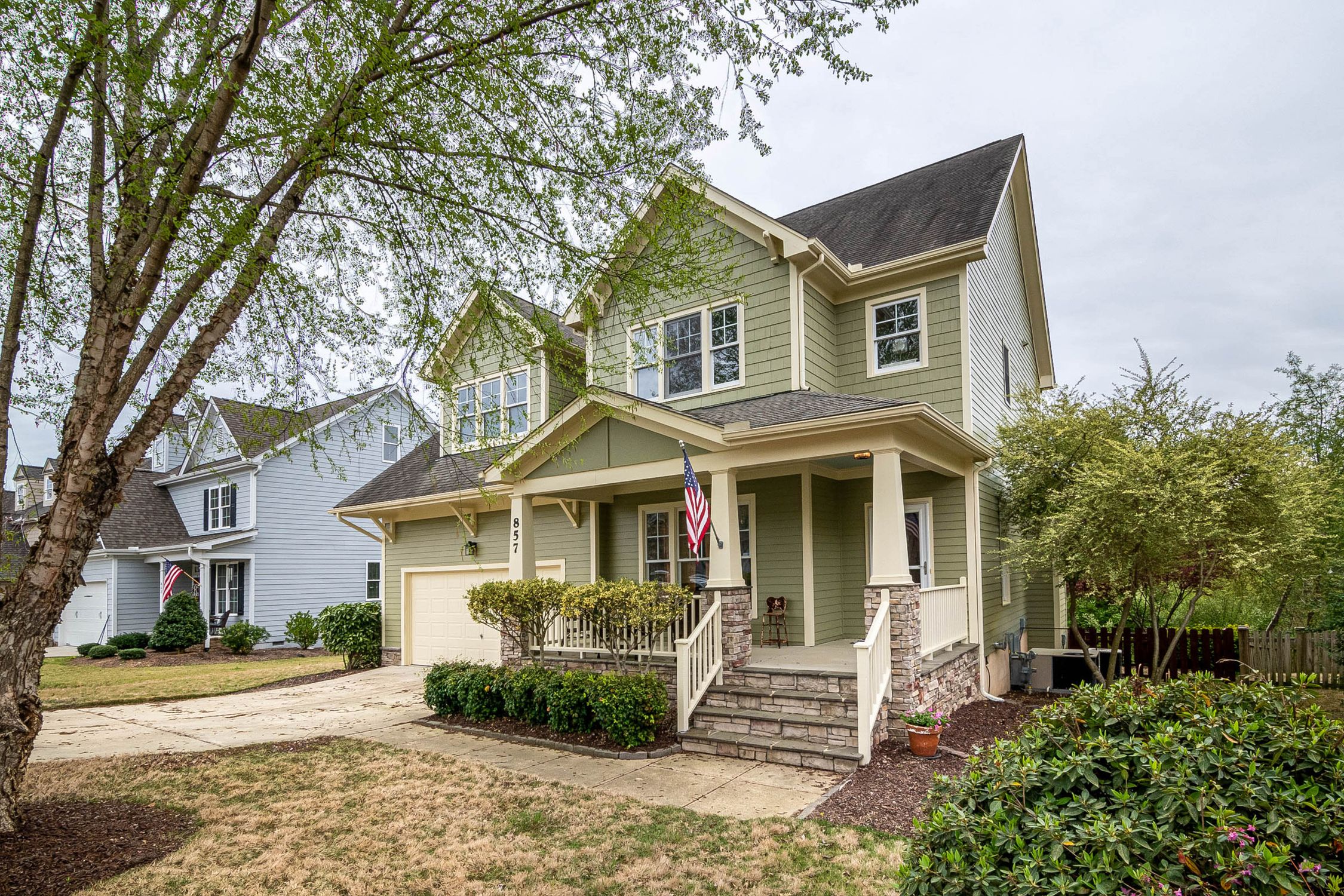

If you're moving to Winter Garden, Windermere, Lake Nona, Dr. Phillips, or Championsgate, there is a very good chance your new home comes with a homeowners association — and the rules governing that association just changed in real, practical ways. Florida lawmakers have spent the past two legislative sessions rewriting how these associations have to operate: what they have to post online, what training their board members need, and what they owe owners in transparency. If you're buying in 2026, here is exactly what changed, what it means for your offer, and what to ask before you fall for a house you can't actually change the way you want to.
Why Homeowners Association Rules Matter So Much Here
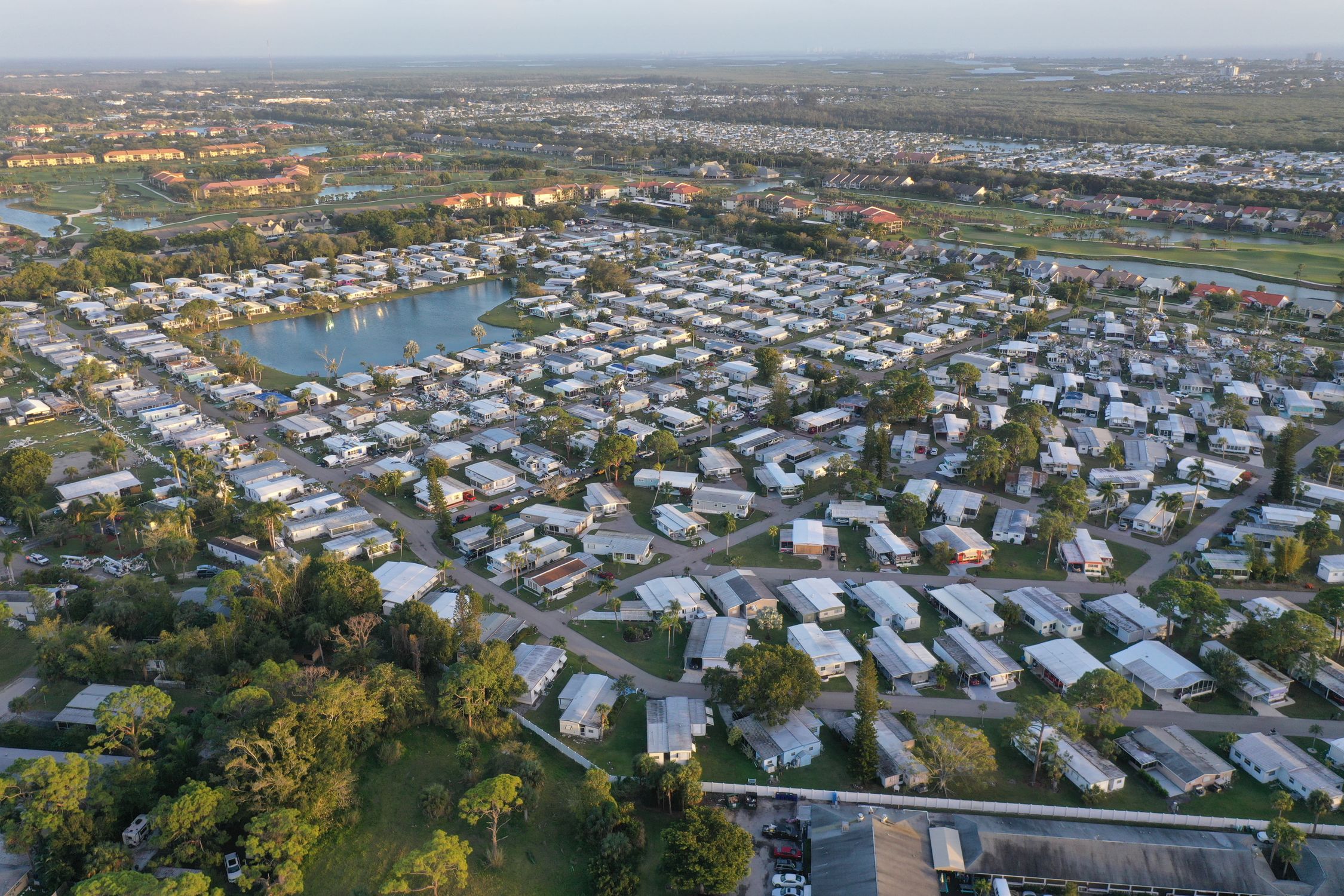
Florida leads the nation in homeowners association-governed housing, and it isn't close. Roughly 45 percent of Florida's homes — about 3.9 million of them — sit inside a community governed by a homeowners association, the highest share of any state, according to Foundation for Community Association Research estimates. In Central Florida's newest and most popular relocation neighborhoods, that share runs even higher. Winter Garden's Horizon West corridor, Windermere's gated communities, Lake Nona's master-planned villages, and Championsgate's resort-style neighborhoods are almost entirely homeowners association-governed — it's simply how modern Florida development works.
For buyers coming from parts of the Northeast where homeowners associations are the exception rather than the rule, this is a genuine adjustment. A homeowners association can set rules for your lawn, your driveway, the color of your front door, and whether you can park a work truck in front of your house overnight. It can also charge you dues, place a lien on your home if you don't pay them, and, in rarer cases, levy a special assessment that adds thousands of dollars to your bill with little warning.
The good news: Florida has spent the past two legislative sessions adding real transparency and accountability requirements to how these associations operate. The rules below are new enough that many sellers, and even some agents, haven't fully caught up to them yet — which makes them worth knowing before you write an offer.
| What Changed | What It Requires | Status in 2026 |
|---|---|---|
| Community records website | Homeowners associations with 100+ homes must post governing documents, budgets, contracts, insurance policies, and minutes online | In force since January 1, 2025 |
| Board-member education | New directors must complete a four-hour, state-approved course within 90 days of election | In force |
| Reserve funding | Communities are moving toward fully funded reserves for major repairs, following the same reasoning as the post-Surfside condominium reforms | Phasing in |
Every Community's Records Are Now Supposed to Be Online
Since January 1, 2025, Florida Statute 720.303 has required any homeowners association with 100 or more homes to maintain a website or a secure online member portal. That portal has to give owners — and, practically speaking, buyers doing their homework before an offer — access to:
- The community's governing documents (declaration, bylaws, and rules)
- The current annual budget and recent financial reports
- The association's current insurance policy declarations
- Board meeting minutes and required owner notices
- Contracts the association has entered into, such as landscaping or management agreements
Buyer action item: Ask the listing agent for the community's portal link before you write an offer, not after you're under contract. Reading the actual governing documents — not just a summary — is the only way to know what you're agreeing to.
Smaller communities, under the 100-home threshold, aren't required to post online. For those, your agent should request the governing documents, budget, and recent meeting minutes directly from the association or its management company as part of your due diligence.
Your Future Board Members Have to Pass a Class
Under Florida Statute 720.3033, anyone newly elected or appointed to a homeowners association board must complete a state-approved, four-hour educational course within 90 days of taking the seat. That initial certification is valid for four years, and after that, board members owe ongoing continuing education — four hours a year for communities under 2,500 homes, eight hours a year for communities of 2,500 homes or more.
A board member who misses the filing deadline is automatically suspended from the board until they catch up. It sounds like a small administrative rule, but it's a meaningful one for buyers: a board that stays current on its certifications is generally a board that takes the rest of its responsibilities seriously too. It's a fair, easy question to ask before you buy — is the board certified and current?
Buying into a homeowners association community? Kim pulls the governing documents and reserve records before you ever write an offer.
Kim A. Pollaro | Coast to Coast Collective | Real Broker, LLC | FL License #SL3575590
What You're Now Allowed to Do On Your Own Property
Florida law has been steadily expanding what a homeowners association can and can't restrict on an owner's own property. Protections already exist for things like the American flag, official service flags, and Florida-friendly or drought-tolerant landscaping — and lawmakers have added more homeowner protections in most recent sessions.
That said, the exact rules still vary by community and by what's written into that specific association's governing documents and architectural guidelines. Many of these protections come with conditions on size, placement, or an approval step you still have to go through. Newer categories like artificial turf and solar panels are areas where homeowner rights are still evolving and where a specific community's rules can differ quite a bit from the next one over.
Practical takeaway: If there's a specific thing you want to do with your yard, your driveway, or your home's exterior, read that community's architectural guidelines before you fall in love with the house — not after you close on it.
Reserve Funding Is Tightening — Ask Before You Buy
After the 2021 Surfside condominium collapse, Florida overhauled how condominium associations fund major repairs, requiring real structural inspections and fully funded reserves instead of the old habit of waiving reserve funding year after year. That same instinct — save now instead of hitting owners with a surprise bill later — has been extending into how homeowners associations are expected to manage their reserves too.
An underfunded reserve account is one of the more common ways a homeowners association purchase turns expensive after closing: the roof on the clubhouse needs replacing, the retention pond needs re-engineering, or the private roads need repaving, and there isn't enough saved to cover it — so every owner gets a special assessment bill instead.
Buyer action item: Ask for the community's most recent reserve study, its current reserve account balance, and whether any special assessment has been discussed, planned, or already passed. An association with healthy, fully funded reserves is a genuinely good sign about how a community is run.
The Smart Buyer's Homeowners Association Checklist
Before you go under contract — not after — work through this list:
The Bottom Line
Florida's homeowners association rules have gotten more transparent and more accountable over the past two legislative sessions, which is genuinely good news for buyers — you now have a legal right to more information, earlier in the process, than buyers had just a couple of years ago. But that information doesn't read itself. The responsibility to actually open the governing documents, check the reserve study, and read the architectural guidelines still falls on you.
Kim A. Pollaro treats this as a standard part of every showing in a homeowners association-governed community — pulling the records, flagging anything unusual, and making sure buyers understand exactly what they're agreeing to before they ever write an offer.
Let's Review the Documents Together
A homeowners association shouldn't be a surprise you discover after closing. Neither should your agent's homework.
A homeowners association shouldn't be a surprise you discover after closing. Neither should your agent's homework.
Kim A. Pollaro | Coast to Coast Collective | Real Broker, LLC | FL License #SL3575590
Read it before you sign it. Kim makes sure of it.
Related Reading
This article is for informational purposes only and does not constitute legal advice. Homeowners association statutes, requirements, and effective dates can change, and every community's governing documents are different — always verify current requirements with the specific association and consult a licensed Florida attorney for legal guidance specific to your situation. Broker compensation is not set by law and is fully negotiable. This article was researched and drafted with artificial intelligence assistance and reviewed before publishing. Information reflects general market and legal conditions as of 2026.