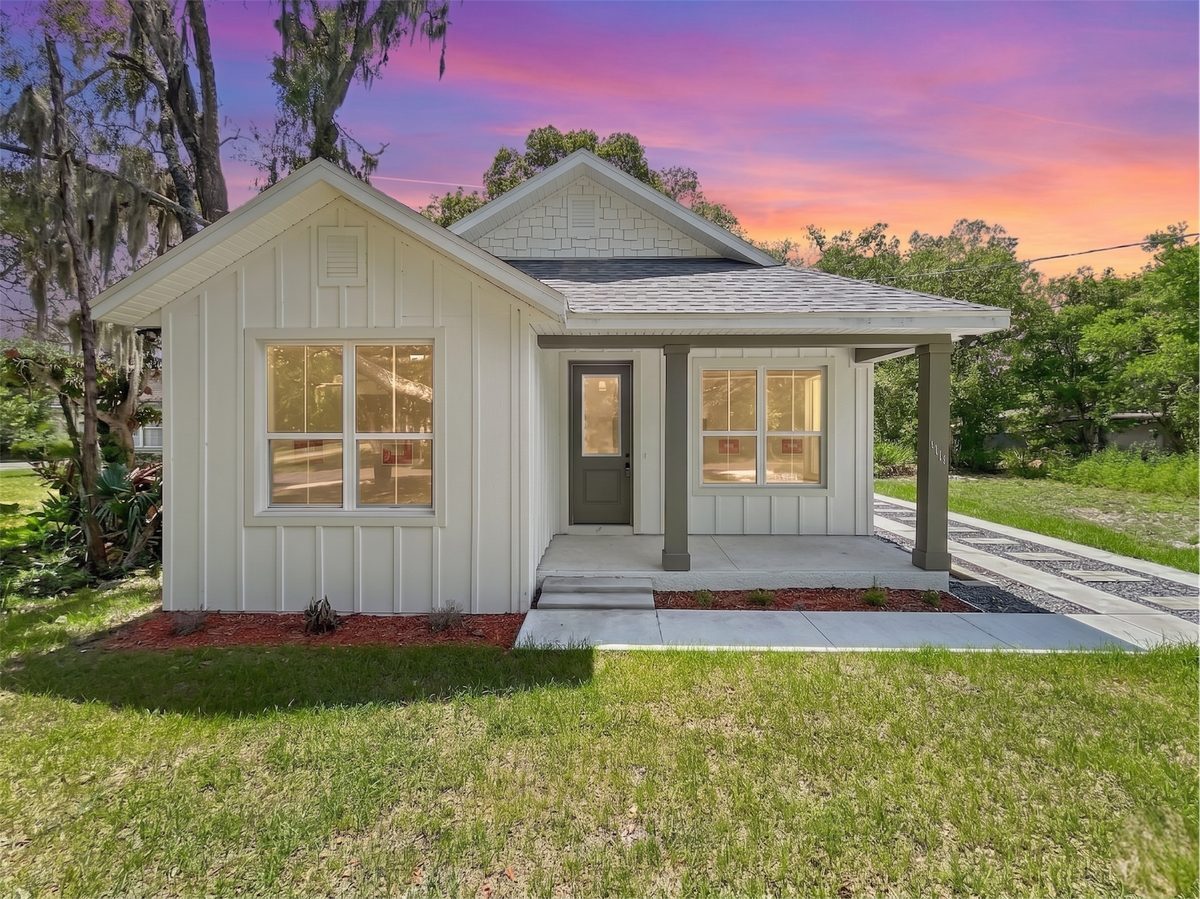

Walk into almost any new community sales office in Championsgate, Kissimmee, Winter Garden, or Lake Nona right now and you will hear some version of the same pitch: a below-market interest rate, thousands in closing cost help, maybe a design credit on top. The offers are real — 2026 is one of the strongest new construction incentive environments Central Florida has seen in years. But the deals are structured by the builder, for the builder, and the buyers who come out ahead are the ones who understand exactly how the game works before they sign anything. This guide walks you through it.
Why 2026 Is a Buyer's Moment for New Construction
The short version: builders in Central Florida have homes to move, and buyers have leverage. The Orlando market in mid-2026 is sitting at roughly a 3.78-month supply of homes with properties averaging about 77 days on the market — a balanced-to-buyer-leaning market that looks nothing like the frenzy of a few years ago. Median sale prices have actually eased slightly year over year.
Production builders respond to that environment differently than individual sellers. A homeowner can simply decide not to sell. A builder with finished inventory homes carrying financing costs every month cannot — they need to close homes to hit quarterly targets. So instead of cutting list prices (which would anger recent buyers and reset comparable values in the community), they compete on incentives: interest rate buydowns, closing cost credits, and upgrades.
For a relocating buyer or a first-time buyer, that combination — more selection, more time to decide, and builders motivated to deal — is genuinely favorable. The rest of this article is about capturing that value without giving it back through the fine print.
What Builders Are Actually Offering Right Now
Incentive packages vary by builder, by community, and even by individual home, but in mid-2026 the Central Florida menu generally includes:
- Permanent interest rate buydowns. Builders are advertising thirty-year fixed rates in the 5.25 to 5.75 percent range on many homes, with select move-in-ready inventory homes going as low as 4.75 to 4.99 percent — well below prevailing market rates in the mid-to-high six percent range. The builder pays points up front through their lender to lower your rate for the life of the loan.
- Temporary buydowns. A "2-1" structure lowers your rate by two percentage points in year one and one point in year two before settling at the full note rate. Some builders offer flexible incentive dollars you can allocate toward a temporary buydown, closing costs, or design options.
- Closing cost credits. On select Orlando-area homes, credits of $10,000 to $20,000 toward closing costs are on the table, typically conditioned on using the builder's affiliated lender.
- Upgrade and design credits. Credits toward flooring, countertops, appliances, or lot premiums — most common on homes sold before construction is complete.
Timing matters. Incentives tend to be richest on completed inventory homes the builder wants off the books, and they often improve near the end of a quarter when sales teams are pushing to hit targets. If you have flexibility on timing and are open to a finished home rather than a build-from-dirt contract, you are negotiating from the strongest position.
The Preferred Lender Deal: Read Before You Sign
Almost every headline incentive comes with the same condition: you must finance through the builder's affiliated or "preferred" lender. This is legal, and it is often — but not always — a good deal for you.
Here is what you need to know:
- Under the federal Real Estate Settlement Procedures Act, a builder must disclose its financial relationship with an affiliated lender and cannot require you to use that lender as a condition of purchasing the home. They can make the incentive contingent on it — but you always have the right to finance elsewhere.
- The affiliated lender's rate and fees are not automatically competitive. The incentive can mask a higher base rate or heavier origination fees than an outside lender would charge.
- The only way to know is to compare: get a full Loan Estimate from the builder's lender and from at least two outside lenders, then compare the total cost over the years you expect to own the home — not just the incentive amount and not just the monthly payment.
In many cases the builder incentive genuinely wins, especially on the deeply bought-down inventory-home rates. But buyers who skip the comparison hand the builder back a portion of the incentive without ever knowing it. An hour of paperwork can be worth thousands of dollars here.
Touring model homes soon? Kim helps buyers compare builder incentives and lender offers before they sign anything.
Kim A. Pollaro | Coast to Coast Collective | Real Broker, LLC | FL License #SL3575590
Yes, Brand-New Homes Need Inspections
The most expensive myth in new construction is that a brand-new home does not need an independent inspection because "the county already inspects it." County code inspections verify minimum code compliance at specific milestones — they are not a quality review, and inspectors are covering enormous volumes of homes in Central Florida's fast-growing corridors.
A smart inspection plan for a new build looks like this:
- Pre-drywall inspection. Your inspector walks the home while framing, wiring, plumbing, and ductwork are still exposed. Problems found at this stage are inexpensive to fix; the same problems found after drywall are not.
- Final inspection before closing. A complete top-to-bottom inspection of the finished home, feeding your official walkthrough punch list.
- Eleventh-month inspection. Scheduled just before the builder's one-year workmanship warranty expires, so every settling crack, leak, and defect gets documented and claimed while the builder is still obligated to fix it.
Each visit typically runs $300 to $600 — small insurance against five-figure repairs.
On warranties: most Florida production builders provide coverage commonly structured as one year on workmanship, two years on mechanical, electrical, and plumbing systems, and ten years on major structural elements. Get the full warranty document before you sign the purchase agreement — not at closing — and make sure you understand exactly how claims must be submitted.
The Costs the Model Home Does Not Mention
The monthly payment quoted in the sales office is rarely the whole picture. Three items deserve special attention in Central Florida's new communities:
- Community Development District assessments. Many new communities — especially around Championsgate, Kissimmee, Winter Garden, and Lake Nona — are built inside a Community Development District, a special taxing district that financed the community's roads, utilities, and amenities. The repayment shows up as an assessment on your property tax bill, frequently $1,000 to $3,000 or more per year, and it lasts for decades. This is on top of any Homeowners Association dues.
- The first-year property tax jump. In your first year, the tax bill often reflects only the land or a partial assessment because the home was not finished on January 1. The next January, the county assesses the completed home and the bill can rise sharply — and your lender's escrow payment rises with it. Budget for the full assessed amount from the start.
- Homeowners insurance on the plus side. Here new construction actually works in your favor: a brand-new roof, current building code compliance, and concrete block construction typically earn meaningfully lower premiums than an older resale home. Get real quotes either way.
Ask for the complete Community Development District and Homeowners Association fee schedule in writing before you sign, and run the true all-in monthly number — principal, interest, taxes at full assessment, insurance, district assessment, and association dues — before you fall in love with the kitchen.
Not Having Your Own Agent Could Cost You Thousands
The friendly agent in the model home works for the builder — not for you. That is not a criticism; it is simply their job. What it means is that nobody in that sales office is looking out for the details an experienced buyer's agent knows to check: whether a Community Development District assessment is buried in the paperwork, whether the preferred lender's rate is actually competitive, how much of the upgrade credit is negotiable, and whether the contract's deposit and delay terms favor the builder. Buyers who skip their own agent are usually the ones who find these things out after closing — and by then, they are expensive to fix.
Your own agent works for you: comparing incentives across builders and communities, flagging Community Development District and association costs before you sign, negotiating credits and upgrades, coordinating your independent inspections, and reviewing the builder's contract terms — deposit structure, construction timelines, and what happens if completion is delayed. And in most new construction purchases the builder compensates the buyer's agent, so this protection typically costs you nothing out of pocket. One important detail: most builders require your agent to accompany or register you on your first visit to the community, so connect with your agent before you start touring models — walk in alone on visit one, and you can permanently lose the right to have an agent represent you at that community at all.
The Bottom Line
New construction in Central Florida in 2026 is a legitimately good deal for many buyers — below-market financing, five-figure credits, a new roof and new systems, and a warranty behind it all. The buyers who get burned are the ones who take the sales office numbers at face value: they skip the lender comparison, skip the independent inspections, and discover the Community Development District assessment and the second-year tax bill after closing.
Kim A. Pollaro helps relocating buyers, military families, and first-time buyers evaluate new construction communities across Orlando, Winter Garden, Windermere, Lake Nona, Dr. Phillips, Championsgate, and Kissimmee — comparing the real all-in numbers, not the brochure numbers, before anyone signs.
Let's Talk Before You Visit a Model Home
Remember: the builder's agent must usually meet you on your first visit for you to have your own representation at all. A ten-minute call first protects your options.
The model home agent works for the builder. Kim works for you — and it costs you nothing.
Kim A. Pollaro | Coast to Coast Collective | Real Broker, LLC | FL License #SL3575590
Know before you go. Kim makes sure of it.
Related Reading
This article is for informational purposes only and does not constitute financial, legal, tax, or lending advice. Builder incentives, interest rates, credits, warranty terms, assessments, and fees vary by builder, community, property, and date, and can change or be withdrawn at any time; verify all terms in writing directly with the builder and a licensed lender. Consult licensed professionals for guidance specific to your situation. Broker compensation is not set by law and is fully negotiable. Information reflects general market conditions as of mid-2026.